
Montana in for a Slow Warmup After Weekend Snow
Missoula, MT (KGVO-AM News) - Montanans who were lulled into disbelieving the forecast during last week's 80-degree days are probably having some second thoughts today, after anywhere from a few inches to a foot, or more, hit parts of the state over the weekend.
The remnants of Tropical Storm Rachael, combined with a Canadian cold front, provided the perfect mixture for a solid, although not rare, October snow event across the state.
The National Weather Service Office was still collecting snow totals into the evening, but the reports range from 8 inches in Lewistown to a foot in White Sulphur Springs. Anywhere from 6 inches to 10 inches were reported in Helena and Great Falls, although totals varied widely depending on elevation.
Drivers having to cope with snowy travel
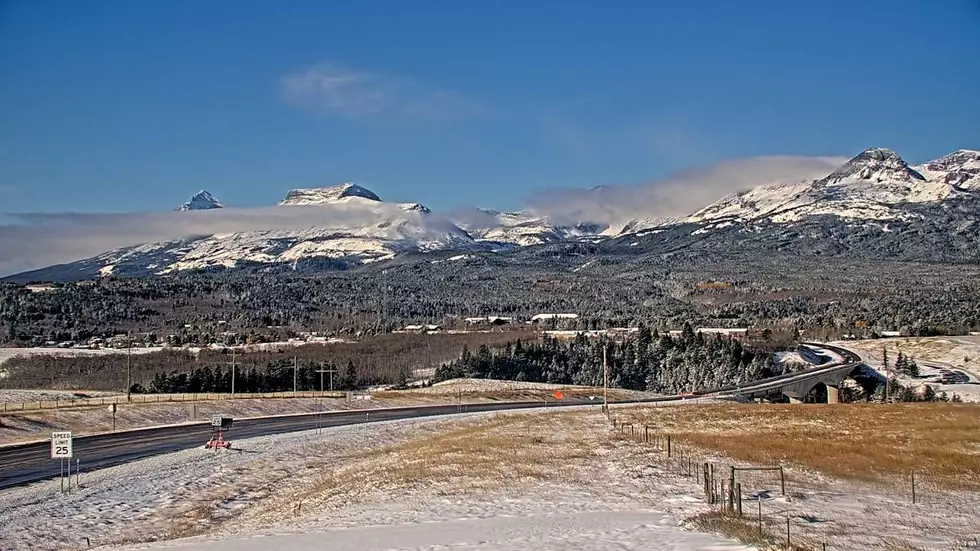
Roads are snow-covered along the Rocky Mountain Front, from Helena to Boulder, in the Gallatin Valley and Livingston and Big Timber north to White Sulphur Springs. Many locations were also reporting icy roads, or slush late last night.
Although snowfall was steady through the weekend in Western Montana, most of the roads were either wet, or even bare and dry. However, most of the passes are challenging. Marias Pass reported snow, chains were required for towing units on Rogers Pass, MacDonald Pass and Homestake Pass.
Warmup coming by Wednesday
Snow showers were expected to continue through Monday, but temperatures will begin to moderate over the next couple of days. Highs should be back in the upper 50s to low 60s statewide by Wednesday.
However, be ready for cold starts and a hard freeze in the valleys of Western Montana. The National Weather Service is forecasting lows will drop well into the 20s for the next couple of mornings.
LOOK: The most expensive weather and climate disasters in recent decades
Stacker ranked the most expensive climate disasters by the billions since 1980 by the total cost of all damages, adjusted for inflation, based on 2021 data from the National Oceanic and Atmospheric Administration (NOAA). The list starts with Hurricane Sally, which caused $7.3 billion in damages in 2020, and ends with a devastating 2005 hurricane that caused $170 billion in damage and killed at least 1,833 people. Keep reading to discover the 50 of the most expensive climate disasters in recent decades in the U.S.
Gallery Credit: KATELYN LEBOFF